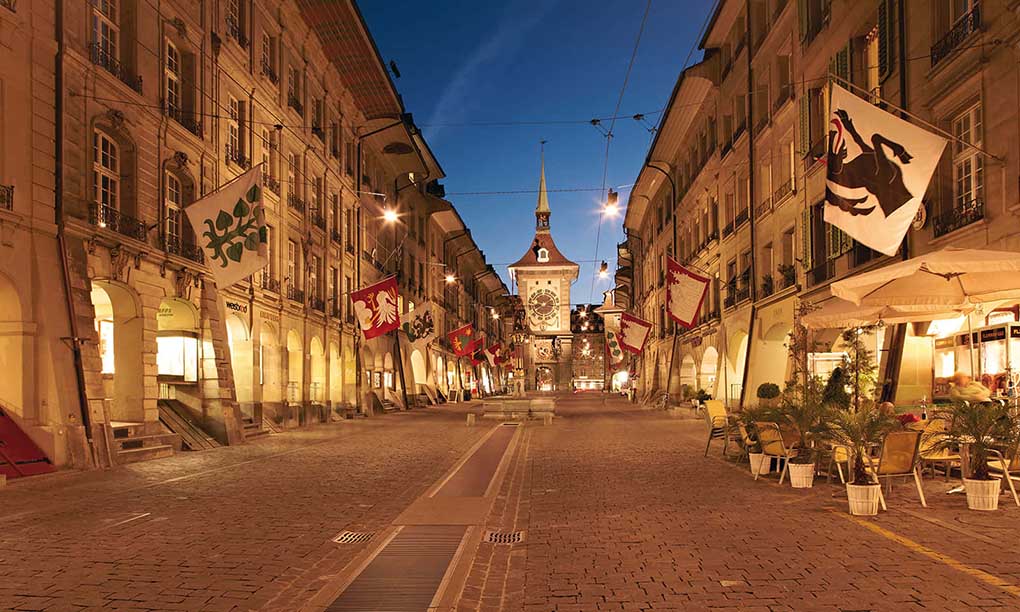
Autumn in Bern feels like stepping into a storybook. The trees turn into watercolor palettes, painting the streets in gold, amber, and russet. Leaves swirl in the breeze, rustling softly underfoot. The sun filters through the thinning canopy, scattering delicate light over medieval stone. Time slows down here. The pace of life becomes almost meditative. In this enchanted atmosphere, I formed a surprising yet profound connection — not with a museum, monument, or café, but with the city’s most emblematic guardian: the bear.
1. A Fairy Tale Beginning in the Autumn Breeze
My journey to Bern began on a clear, brisk autumn morning. As my train rolled into the station, the landscape unfurled in soft light, hills scattered with red-tipped trees, and chimneys releasing faint ribbons of smoke. The moment I stepped outside the station, the air greeted me — crisp, woodsy, and laced with the earthy perfume of fallen leaves.
From the station square, my eyes were drawn almost magnetically toward the leafy slope that hinted at something deeper — the famed BärenPark. Though Bern’s UNESCO-listed Old Town and its impressive stone architecture are often the focus for visitors, I was captivated by another narrative: the one shaped around bears. Since the city’s founding, they’ve been more than mascots — they’re woven into Bern’s identity.
Legend has it that the city’s founder, Duke Berchtold V of Zähringen, vowed to name the town after the first animal he hunted in the surrounding forest. That animal was a bear — “Bär” in German — and so Bern was born. Today, this symbolic relationship remains alive and visible. On flags, emblems, fountains, and even chocolate wrappers, the bear persists — a motif that connects past to present, myth to memory.
2. Quiet Moments in the Bear Park
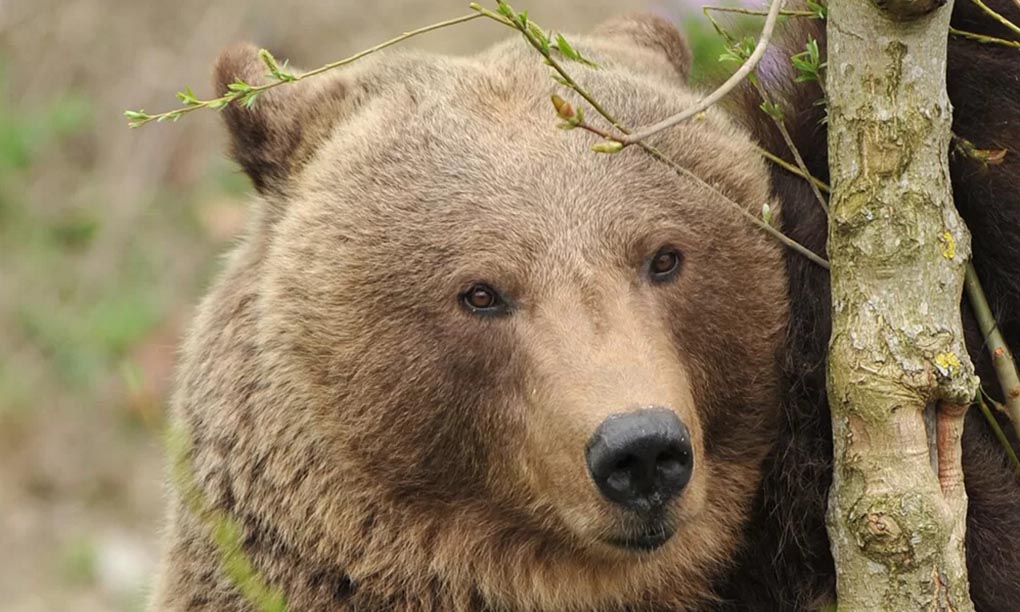
When I arrived at the Bear Park, I was prepared for a charming enclosure — maybe something quaint and fenced in. What I discovered instead was something much deeper: a natural, open hillside habitat where the bears roamed freely amid trees, grass, and flowing water.
Several brown bears moved slowly under the low-hanging branches, some lounging in the sun, others sniffing at leaves or playing with logs. Their movements were unhurried, grounded, calm — like they were in tune with the rhythm of the earth itself. The golden light of the late morning bathed their thick fur, turning it to shades of bronze and honey.
As I leaned against the railing of the observation platform, I heard a grandfather whisper to his grandson, “They are the city’s guardians.” That phrase stuck with me. The bears weren’t just zoo animals — they were honored figures, part of the urban mythos. Their presence was a reminder of Bern’s enduring bond with nature, an embodiment of coexistence rather than captivity.
The park also includes an interpretive trail filled with historical panels that trace the city’s long history with bears — from medieval bear pits to today’s conservation-friendly space. Reading these stories, it was clear that the bears’ role had shifted from spectacle to symbol of ethical stewardship, a sign of how the city’s values had grown along with its culture.
3. Autumn City Exploration: Bear Traces Everywhere
Leaving the park behind, I let my footsteps guide me deeper into the city’s cobbled streets. The golden light spilled down alleyways, and the leaves danced in little eddies around my feet. I noticed how the image of the bear resurfaced again and again — not loudly, but persistently, lovingly.
On Kramgasse, one of Bern’s main thoroughfares, I passed a whimsical storefront where hand-carved wooden bears stood in a window, each one telling a different story. Inside, the shopkeeper showed me delicate figurines and trinkets, all made locally. He spoke of the bears as if they were old friends — part of the city’s childhood and its dreams.
Even in the cafes, you’d find hints of them: latte art with bear faces, honey-cakes named after local bears, bear murals behind counters. There was something grounding about it all — a symbol of strength softened into something familiar and familial. It made Bern feel not just like a destination, but a place that welcomed you into its mythology.
4. A Natural Journey with Bears: Autumn by the Aare River
Beyond the symbols and sculptures, Bern also offers a physical journey that feels like a pilgrimage to peace — along the gentle bends of the Aare River. Encircling the Old Town in a perfect aquamarine loop, the Aare feels less like a river and more like a sentient presence — protective, cleansing, and serene.
I rented a bicycle near the bear park and followed the river trail. The trees blazed in autumnal brilliance on both sides, forming a golden tunnel. Wild ducks paddled in the current, and every now and then I passed locals walking their dogs, reading on benches, or simply closing their eyes to breathe it all in.
It’s a Bernese tradition to jump into the river with a waterproof bag in summer and float down lazily — a practice equal parts practical and poetic. Though it was too chilly for swimming during my visit, just cycling along the Aare felt like a meditation. The bear theme seemed to echo here too — a gentle guardian spirit following you in the hush of falling leaves.
5. The Rose Garden at Dusk and the Bears’ Watchful Presence
As the sun dipped lower, I made my way up to the Rosengarten — Bern’s beloved Rose Garden, perched on a hill above the city. It’s a favorite spot for photographers, lovers, and thinkers, offering perhaps the most iconic panorama of the city’s medieval skyline. The cathedral spire, the rooftops, the slow curve of the Aare — all turned a dusky gold under the autumn sky.
By now, most roses had faded, but their leaves blushed red as if echoing the season’s palette. The garden was nearly empty. I found a wooden bench and sat with a view stretching across the entire Old Town. Not far away stood a statue of Einstein — a reminder that this garden had inspired great minds as well as wandering souls.
I sipped a cappuccino from the nearby café and nibbled on a slice of local honey cake. Below, the bear park faded into shadow, but I could still sense its presence. It wasn’t just a tourist site — it was a quiet axis of the city’s soul.
6. The Bear’s Fairy Tale Continues: The Interweaving of Culture and Life
Bears, I realized, weren’t simply animals here — they were woven into Bern’s cultural identity. In the Bern Historical Museum, I later explored collections of bear-themed artworks, civic emblems, and folk costumes. Some pieces were hundreds of years old, but all carried the same reverence: bears as strength, bears as kin.
During local festivals and street performances, bear mascots and puppets often appear — not merely for children, but as symbolic participants. The bear is a reminder of endurance, of peace, of protection. Even in the city’s culinary scene, you’ll find dishes inspired by the bear — not in meat, but in spirit: hearty stews, sweet honey glazes, and forest-grown mushrooms. I dined at a traditional restaurant where the chef explained how the bear had become a muse, not just a motif.
Bern doesn’t just display its iconography — it lives with it. The bear isn’t in a cage. It’s on the streets, in the stories, in the people’s hearts.
7. Bear Shadows under the Nightfall: Farewell Reflections
Night fell slowly over Bern. The air grew colder, the lanterns glowed amber. As I made my way back toward the Bear Park for one last glimpse, I saw the figures of the bears moving slowly in the dusk. Their silhouettes — so quiet, so massive — seemed to dissolve into the shadows like memories folding back into the landscape.
I stood silently, no camera, no words. Just presence.
The city told its story not through grand statements, but through moments like this. In Bern, nature and civilization don’t compete — they collaborate. The bear is a part of that narrative: not tamed, but trusted.
When I left Bern the next morning, it was with a sense of gratitude — not just for the beauty I’d seen, but for the spirit I’d felt. A city that had shaped its identity around an animal, and had grown kinder, wiser, and more poetic because of it.
This autumn journey to Bern was not just a vacation; it was a walk through wonder — a fairy tale that had somehow grown real. Following the bears, I discovered a city that doesn’t shout its virtues but whispers them gently. A place where the leaves fall slower, where rivers carry stories, and where ancient creatures still roam the hills in peace.
If you’re looking for a different kind of travel — one that touches your heart, not just your itinerary — come to Bern. Follow where the bears roam. You just might find a piece of your own fairy tale waiting there.
Tags: BärenPark, Fairy Tale Continues, Kramgasse