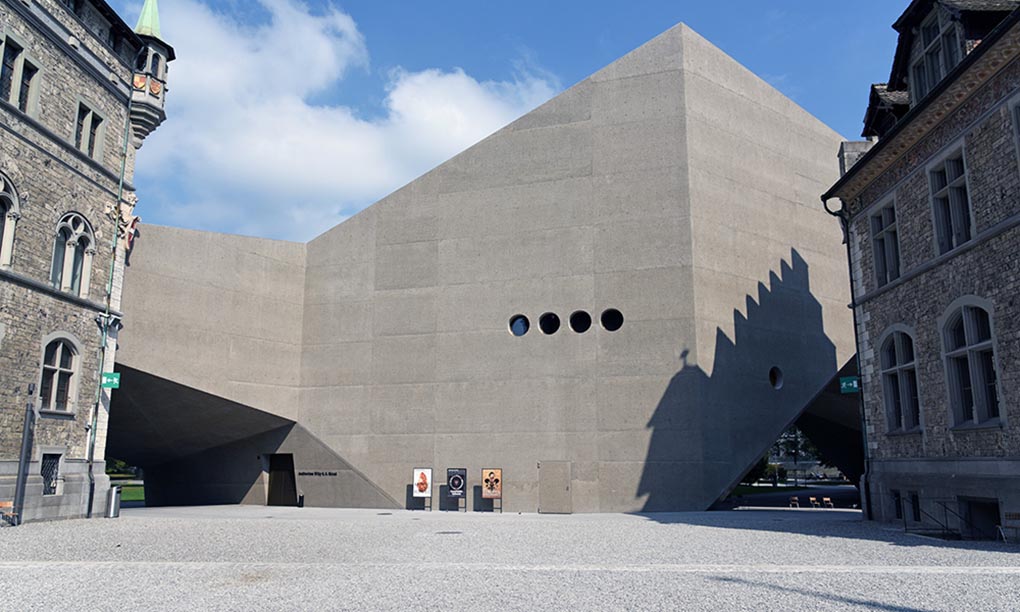
Winter in Zurich always carries a sense of crisp coolness and calm. During the day, the streets are framed by leaden clouds and hurried passersby. But by night, the city seems to hit slow-motion—lights gently emanate from shop windows and street cafes, soft and inviting. Most people would retreat to their homes or hotels, wrap themselves in blankets to watch a movie, or enjoy a candlelit dinner at a restaurant. But that night, I didn’t step into any warm shelter—instead, I walked into an increasingly mysterious world at midnight: Zurich’s winter Museum Night (Lange Nacht der Zürcher Museen).
The annual “Zurich Museum Night” usually takes place in autumn. But in special years—during cultural seasons or celebrations—it sometimes extends into early winter. When I learned this year’s event was scheduled for mid-December, I registered without hesitation. This wasn’t just an opportunity to visit exhibitions—it was a sensorial, time-traveling cultural adventure under the night sky.
The City Whispers at Night: Departing from the Old Town
Shortly after 6 p.m., I stood by the Limmat River, bundled in a down jacket and wool scarf, clutching my “Culture Night” wristband. The chilly wind, mixed with mist blowing off the lake, made me shiver—but an excited energy floated in the air. I wasn’t alone; small groups of people gathered around me, all heading towards the same goal: museum doors wide open in the night.
My first stop was the Swiss National Museum (Landesmuseum Zürich), with its neo-Gothic tower looking exceptionally solemn in the dark. Normally crowded by tourists during the day, tonight the museum emanated a calm mystique through clever lighting—like a quiet medieval castle come to life.
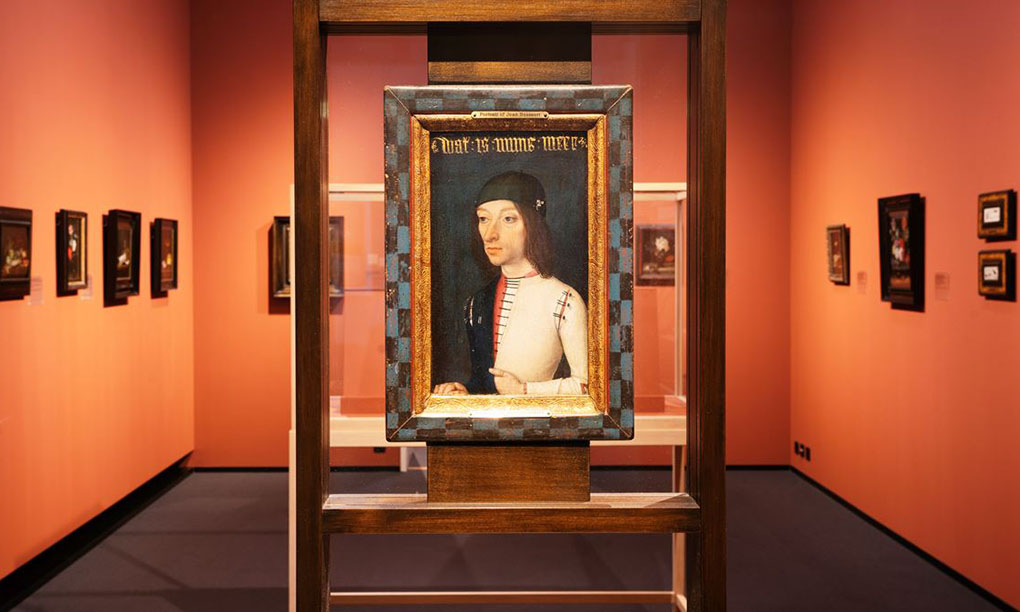
Upon entering, a staff member handed me a cup of hot apple cider (Heißer Apfelmost)—a welcome warmth for my hands before I ventured into the galleries. Inside, the exhibition special to Culture Night, “Switzerland at Night,” greeted me. Featuring multimedia projections and an immersive audio setup, it traced nightscapes from medieval watchmen’s diaries to modern shift workers’ lives, showcasing Swiss nocturnal existence and reflections. I stood before a 17th-century nocturne painting—faint candlelight flickering on quiet streets—and realized: night isn’t empty time, it’s another chapter of history.
Art and Light: Midnight Experiments at Kunsthaus
Stepping out of the National Museum, the street outside had warmed with cultural energy. Many buses had been rebranded “Museum Night Lines,” plastered with giant art posters, and onboard audio guides played that evening’s exhibitions—the transport itself subsumed by culture. I boarded one heading to my next destination: Kunsthaus Zürich.
The midnight lighting at Kunsthaus was nothing short of dreamy. Projectors displayed on its outer walls, shifting between Picasso sketches and Hodler landscapes, turning the whole building into a living animated canvas. At the entrance, performers in glowing down jackets presented an impromptu dance piece—sometimes slow and rain-like, other times swift as wind. The audience remained hushed, silently absorbing the chilled beauty.
I joined a “Late-Night Curator Tour.” One section of the museum was completely darkened, illuminated only by flashlights and the curator’s guidance. In our small group, each holding a torch, we navigated the space like explorers in catacombs, gradually “discovering” familiar artworks in unexpected ways: Giacometti’s elongated sculptures seemed to come alive under muted light, and Hopper’s Nighthawks felt as though it were unfolding beneath a nearby window. I’d never felt that “seeing” could be a form of participation rather than passive reception.
Science Shines at Night: Steam-Powered Wonders at the Swiss Museum of Transport and Technology
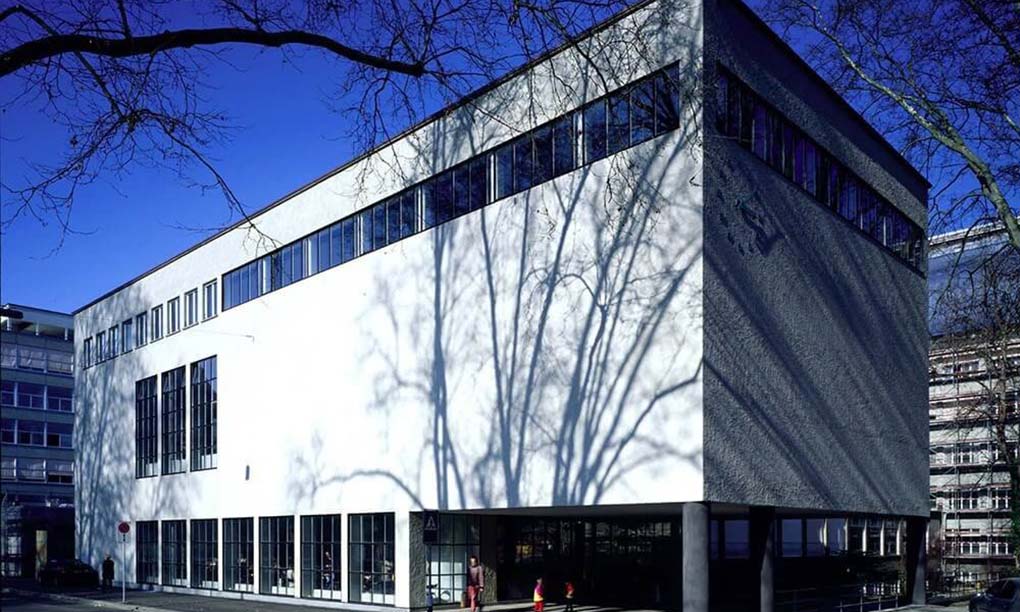
By the time I left Kunsthaus, it was already 10 p.m. Normally, this would be the perfect hour to retreat into a warm bath and sip mulled wine by candlelight—but that night, my footsteps were firmly directed toward a different experience: the Swiss Museum of Transport and Technology (Museum für Gestaltung Zürich, in collaboration with Technorama). This visit wasn’t about admiring static masterpieces—it was about witnessing motion, possibility, and imagination colliding in real time.
Outside the museum, an enchanting miniature railway world was brought to life with light and fog: steam engines whistled and puffed clouds into the cold air as excited children darted between glowing locomotives. Adults stood transfixed as a physicist demonstrated magnetic levitation on a glowing panel, the metallic hum of circuits echoing beneath the museum’s eaves.
Inside, I entered the “Midnight Energy Experiment” zone—a playground of invention. I used a robotic arm to inscribe my name on a tablet, slipped on VR goggles to view the Earth from a night-shift astronaut’s eyes, and reclined inside a retro-futuristic steam-powered cabin-turned-cinema. The short film projected in 360 degrees took me through parallel timelines: one aboard a 1920s coal-fired express, the other hurtling through space aboard a 2120s interstellar tram. It was surreal and immersive, and I left the exhibit thinking: science may be grounded in fact, but under the veil of night, it becomes something beautifully lyrical—an unfolding poem of what’s possible.
Beyond Museums: Streets, Soundscapes, and Pop-Up Theater
Around midnight, the energy spilling from the museums had fully seeped into Zurich’s streets. The city was humming with cultural crosscurrents. At the corner of a narrow alley in Niederdorf, a jazz trio played under a dim streetlamp. Their music—smoky saxophones and brushed snare drums—wove into the cold air. People gathered naturally, drawn in by sound alone. Some sipped steaming cups of mulled wine from paper mugs, others leaned quietly against stone walls, letting the rhythm warm them more than their coats could.
A short walk uphill took me to Lindenhof Hill, where the city’s panoramic skyline twinkled beneath a blanket of soft blue lighting. There, a lone performance artist in medieval garb stood beneath a naked tree, reciting dream-verse in Old High German. His voice, melodic and haunting, echoed between ruins and rooftops. The juxtaposition was stunning—centuries of history speaking into a modern night.
Wandering back through the Old Town, I stumbled upon a hidden venue—an old bookshop transformed into a pop-up theater for the evening. Inside was Zeitfenster (Time Window), an experimental play stripped down to its essence: two flickering desk lamps, a few long benches, and one actor who spoke as a solitary librarian navigating an underground archive that unlocked forgotten memories and glimmers of the future. His monologue was quiet but gripping. At some point, I stopped analyzing and just listened. The play made me realize something simple but powerful: night doesn’t only lull us into rest—it gives us permission to imagine, to question, and to seek out stories we might ignore by daylight.
The Final Stop Before Dawn: Rietberg Museum’s Oriental Night
At 1 a.m., I found myself standing beneath the magnificent glass dome of the Rietberg Museum. Outside, the temperature had dropped to a biting minus three degrees Celsius, and the winter chill was sharp against the skin. Yet inside, the atmosphere was almost paradoxically warm and inviting, reminiscent of early spring. The museum, renowned for its exquisite collections of Asian, African, and American art, had opened its doors especially for the “Oriental Night” event as part of the Culture Night festivities, offering visitors a rare, intimate encounter with these distant cultures in the heart of Zurich’s winter darkness.
I carefully took off my heavy winter coat and stepped into the softly illuminated gallery space. The dim lighting gave the Indian miniature paintings a gentle glow, their intricate details quietly captivating as low murmurs of Sanskrit chants and the resonant sounds of Tibetan singing bowls filled the air, creating a serene and almost mystical soundscape. In one corner, a Japanese artist was performing a uniquely modern take on the tea ceremony—a “midnight version” that replaced the traditional hot brew with cold-brewed tea served in delicate, glowing teaware. The subtle aroma of the tea mingled with the crisp winter air seeping in through cracks, merging with the quiet stillness of the night to create a sensory experience unlike any other.
I settled down on a tatami mat laid out on the floor, feeling the soft weave beneath me, and sipped the mint-infused cold tea slowly. Through the large windows, the city lights were softened and blurred by a gentle fog, casting an ethereal glow over the sleeping urban landscape. At that moment, I felt an overwhelming sense of connection—not merely as a visitor gazing upon a collection of art, but as someone truly “dwelling” within the living pulse of the city through the quiet hours of the night. It was a profound experience of stillness and presence that words can barely capture.
Winter’s Night Ends, but Culture Still Shines
At around 4 a.m., I returned to the Limmat River. Dawn was faintly glowing on the horizon as the city began to awaken—but I had just completed a dreamlike journey. All night, I drifted between museums, witnessing Zurich’s astonishing cultural range, and realizing how night rewrites art’s grammar.
This wasn’t merely a museum tour—it was a lifestyle manifesto: in the coldest months, the city responds with the hottest cultural energy; in the darkest hours, people use their senses and souls to redefine space and time.
Winter nights in Zurich are neither dull nor lonely—they’re wilder and more passionate than you could imagine. Next time you stand on a Zurich winter street at night, don’t rush back to your hotel. Perhaps that door you thought was closed is ready to open up a whole universe for you. Spending a whole night falling in love with a city is a romance that speaks no language—and Zurich has been waiting to meet you.
Tags: Kunsthaus Zürich, Landesmuseum Zürich, Museum für Gestaltung Zürich